Buyer beware. Marketing numbers are a list of performances that once where tested in a lab. Numbers are correct in ideal conditions and not achievable at the same time (eg. interface rate versus range). The load does not correspond to real life protocols. (AC1200 ; sum of multiple wifi interfaces).
Buyer beware, reviews are more real life situations. But some user reviews are just inaccurate and sometimes exaggerated. They even sometimes claim performances that exceed the theory and law of physics.(*)
Mikrotik buyer beware. RouterOS allows you to set many parameters (some are still missing), but those settings are static in operation. Other brands have way fewer parameters but the operations are more dynamic and adaptive and they have some more optimising features in wifi 5. Any non-optimal configuration of the static parameters may result in poor performance.
(*)
You can calculate what your performance is compared to the theoretical possible. E.g. use the packet calculator: https://gjermundraaen.com/thewifiairtimecalculator/
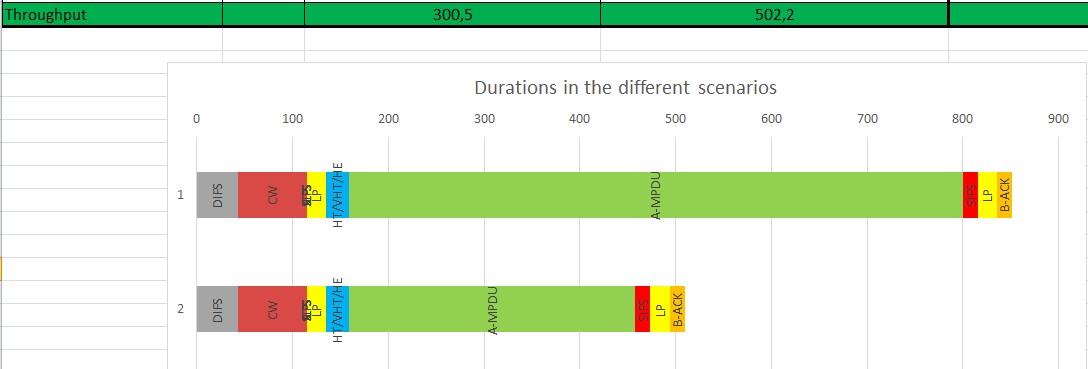
Filled in for ac (VHT) MCS9, 2 spatial stream, 40MHz and 80 MHz bandwidth, a A-MPDU of 32000 bytes, 24 Mbps basic rate, “Best effort” timing (WMM), short guard interval
… the theoretical maximum uni-directional data stream with no ack required is 300Mbps and 502Mbps. With an A-MPDU of 16000bytes it becomes 240Mbps and 363Mbps
.
.
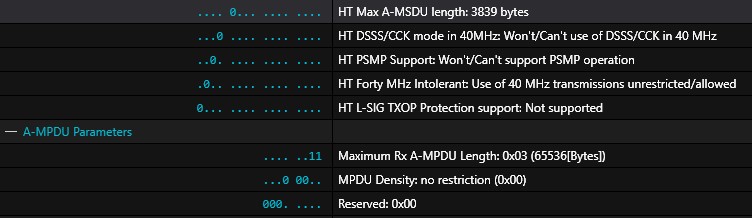
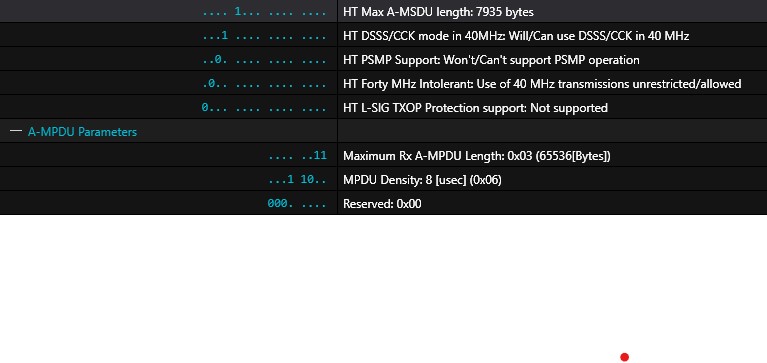
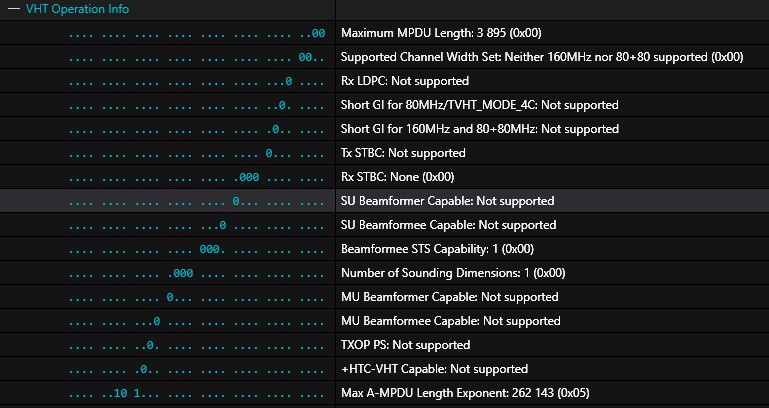
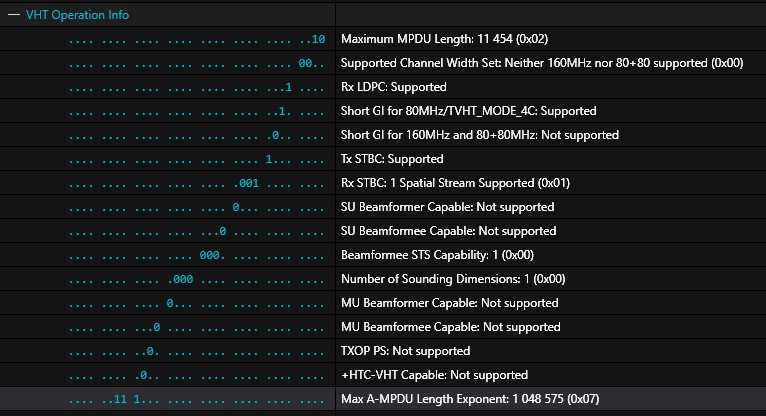
A-MPDU is not a settable parameter in RouterOS, just on/off and on for priority 0 (“BE”) only by default, nor is there any feedback, and the A-MSDU used in is one of the smaller sizes compared to others (ISP modem, OpenWRT, Engenius, …) even when the A-MSDU parameter is set at the default 8192 value.
A-MPDU is a mystery with RouterOS, but is a very important parameter for performance. A-MPDU is filled with A-MSDU blocks.
http://forum.mikrotik.com/t/help-mikrotik-capsman-wireless-download-speed-max-200mb-but-pcs-mobiles-link-speed-is-866mbps/142677/1
Beacon info RouterOS 802.11n
.
Beacon info Others 802.11n
.
Screenshots from WinFi (free wifi analyzer)
RouterOS 802.11ac
.
Others like OpenWRT, Draytek, etc 802.11ac
.