I’d say 1 Gbit/s is more than enough in real-world use. With normal subscription and backhaul limits, and since most MNOs still run 5G in NSA mode, it is very unlikely to become a bottleneck.
Also, LAMP 5G R16 is built for FR1, just like most other devices on the market.
Today, very few MNOs offer 5G SA with FR2 services, and support is rare in consumer routers. Enterprise devices are pretty expensive, typically above USD 700.
i wish they had something like that and with WiFi7 too...
hAP be³ Media (MA53UG+HbeH) is almost there... i just wish it had at least two usable 10Gports, one RJ45 and one SFP+ instead of the USB dangling bits it is fitted with...
for me, the USB connections on be³ Media seem just as useful as truck nuts - an interesting conversation topic as far as decorations go but not very usable for VM containers when the device only has 2 GB total RAM.
The project is a great example of choosing
the right frequency for the job: using 60 GHz
where it delivers the biggest advantage while
complementing existing wireless infrastructure.
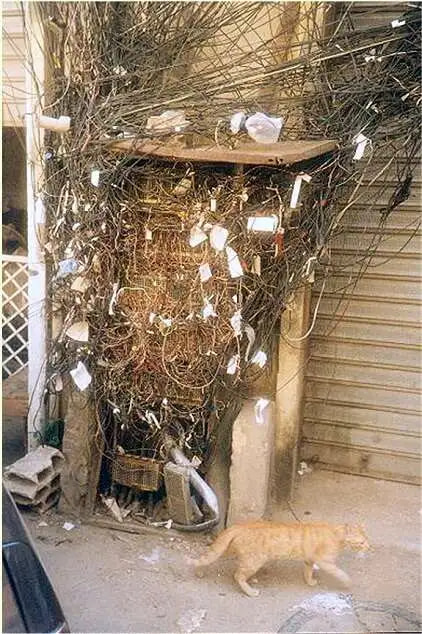
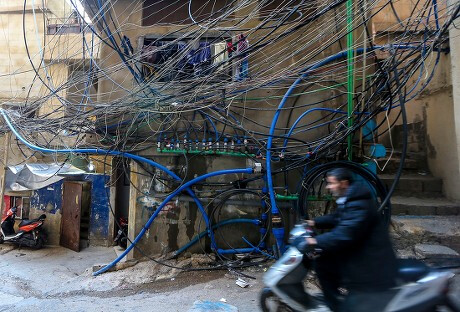
The project seems to me a good example on how to NOT do the cabling, the photo could go right into reddit cable porn as the "before" image.
Heavy-duty (or industrial-grade) SFP modules are networking parts. They convert data between copper wires and fiber optic cables. They differ from standard parts because they work in extreme temperatures (-40°C to 85°C). They resist harsh vibrations, dust, and power surges.
Dean, Thanks for the response! I understand what an SFP is. I want to know the difference between the standard version and the heavy duty version. In other words, how does the HD version mitigate extreme temperatures (-40°C to 85°C), and how do they resist harsh vibrations, dust, and power surges? I'm skeptical when a manufacture makes claims. There's been too much use of words like "heavy duty", "industrial grade", etc and yet no difference.
You have to:
use selected components resistant to specified conditions
soldering is done with proper tin solder resistant to eg. vibrations
install proper additional cooling or heating
etc. etc.
Heavy Duty is like Military or Space set of conditions to be obeyed.