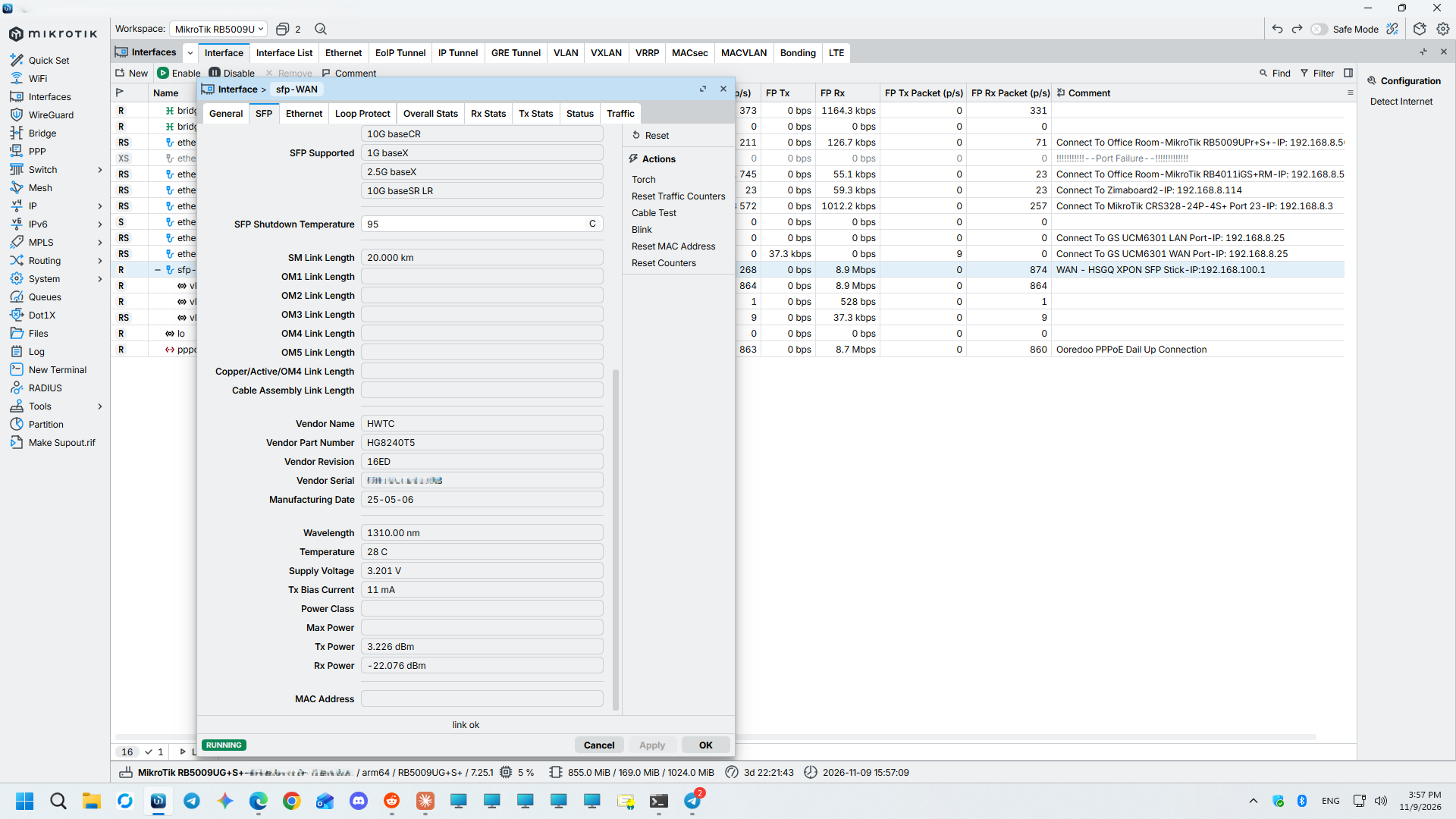
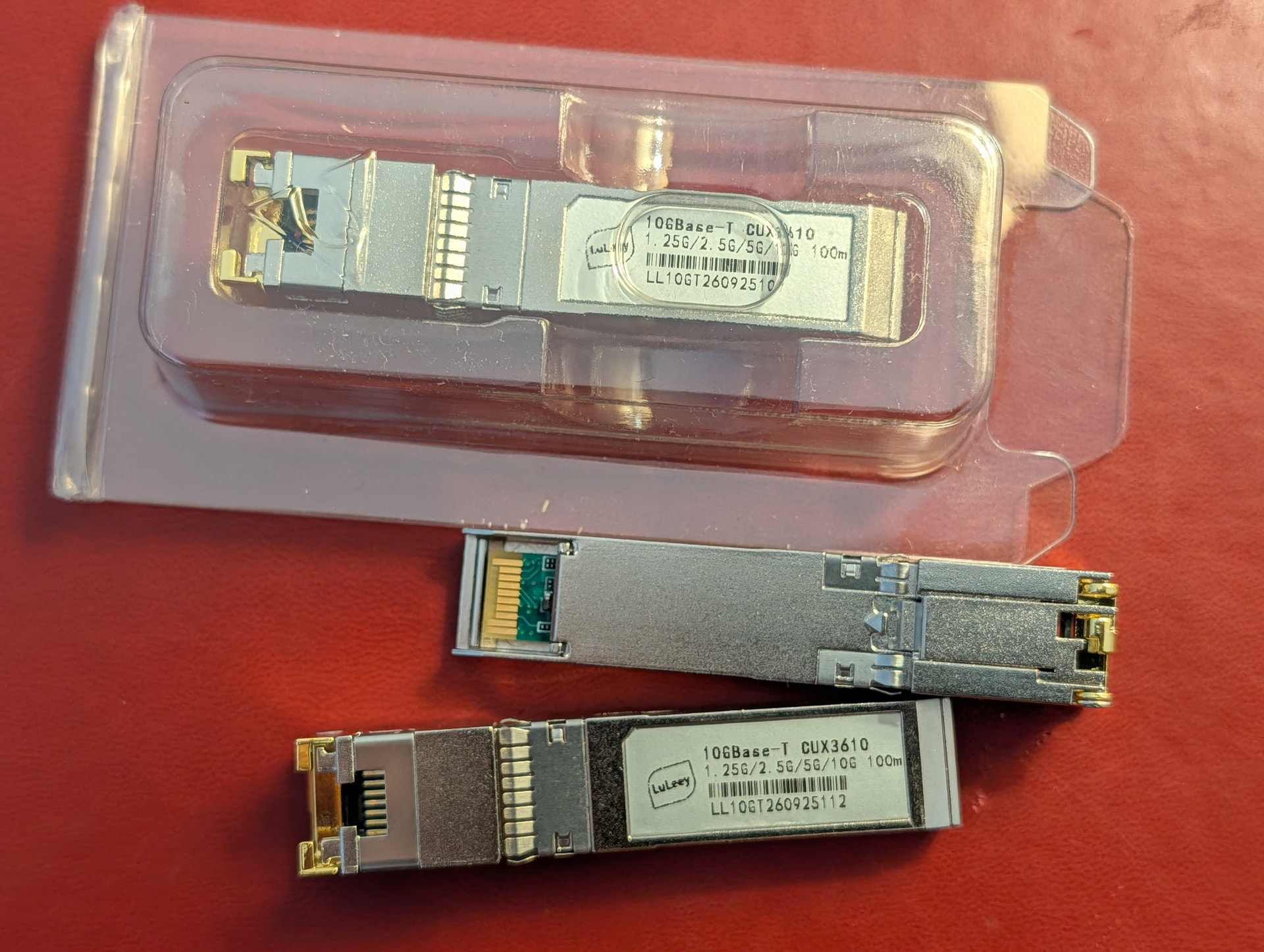
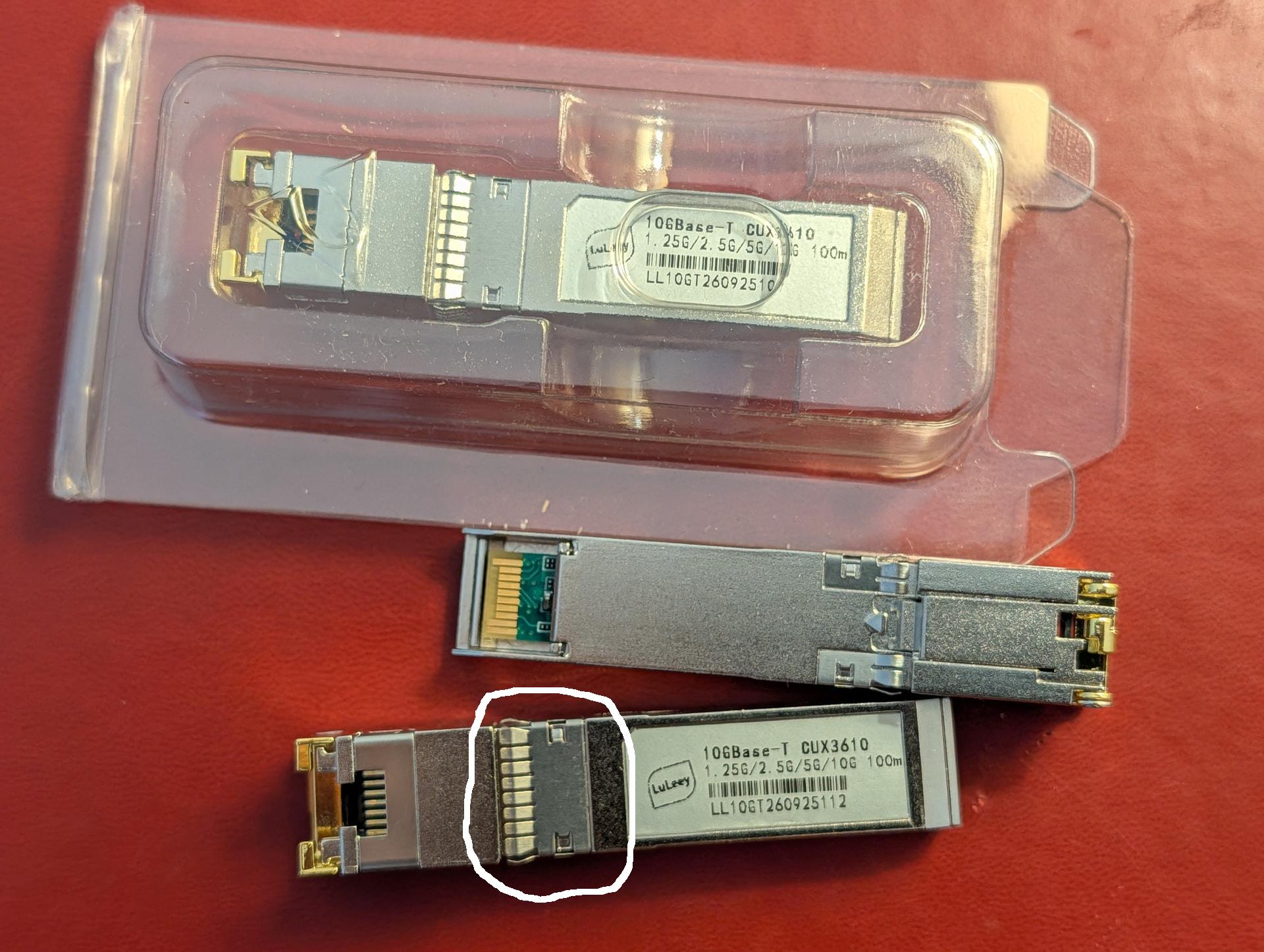
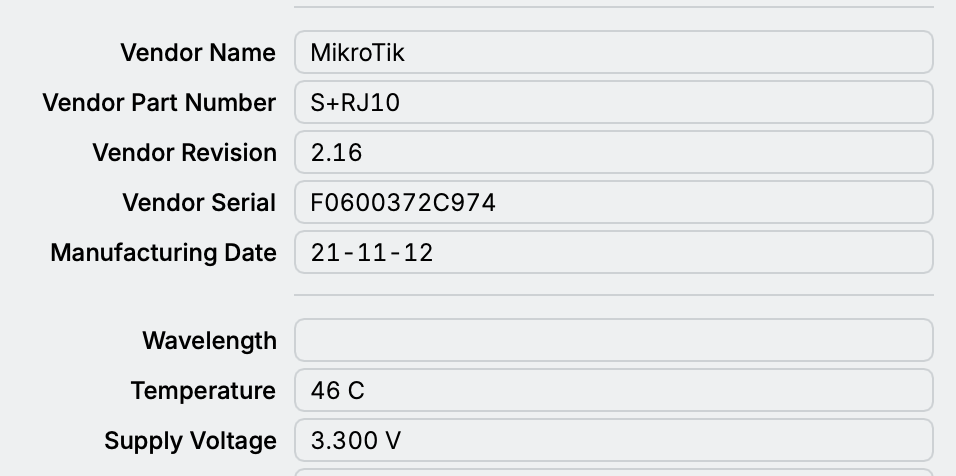
I use transceivers based on Marvell CUX3610 from Luleey. These idle at a temp of 27C in RouterOS, and I have tested them in 100M, 1G, 5G, and 10G links in CCR2116-24G-4S+ and CRS326-24G-2S+ running the current stable release.
RouterOS reports idle temp of 27C give or take, and 49...51C idle temp in SwitchOS v2.19.
The running ("link established" with light traffic) temperature in RouterOS is below 40C, and SwitchOS v2.19 reports 56..57C - I suspect the SwOS isn't capable of utilizing all the power saving features available, so ~57C temps is about as high as one can expect.
My take - look at transceivers based on Marvell CUX3610 - it has lowest power consumption / colder temps among 10G copper transceivers available on the market today.
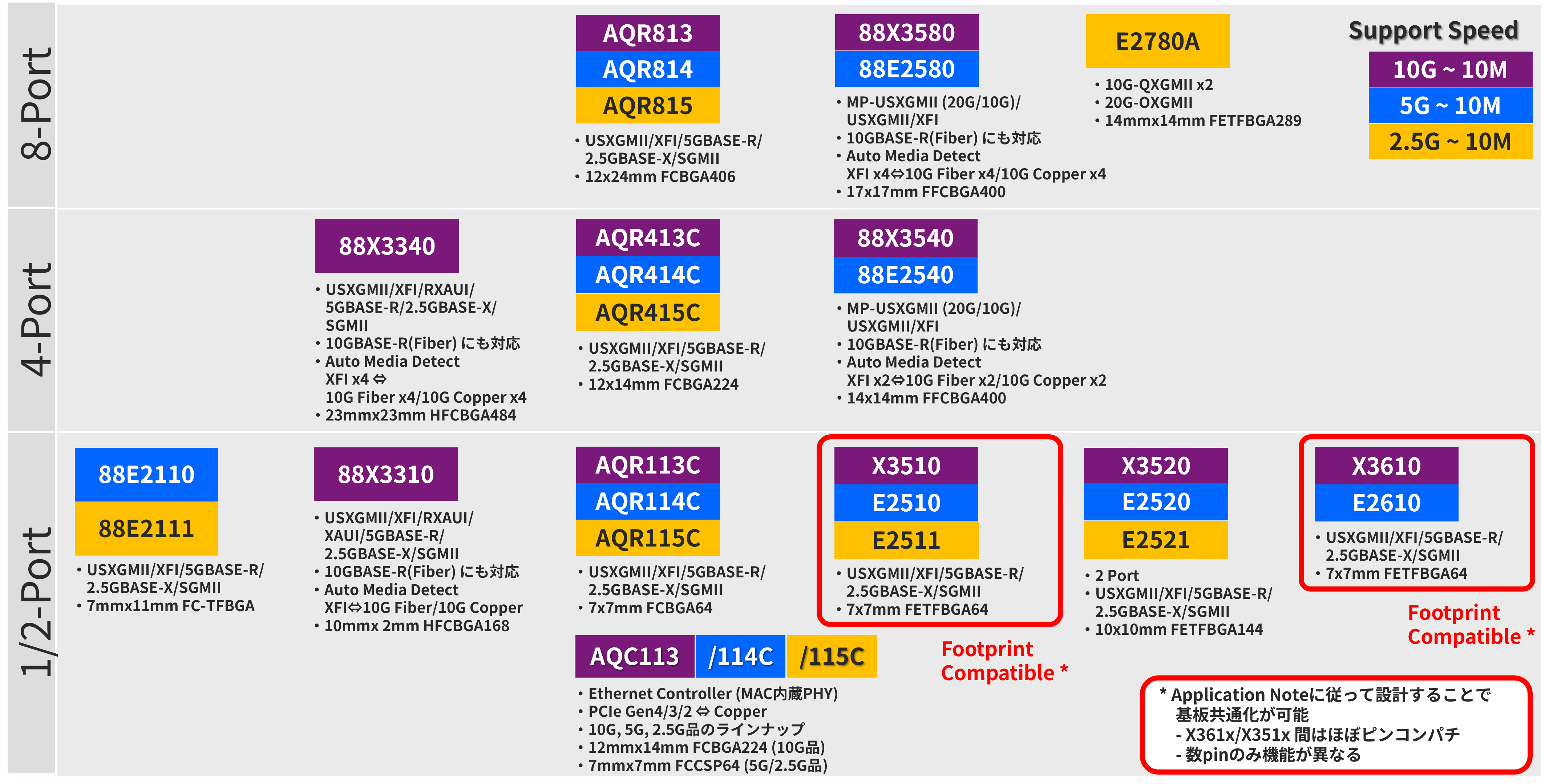
According to Macnica, the global distributor of Marvell ICs (https://www.macnica.co.jp/en/business/semiconductor/manufacturers/marvell/products/150105/), Marvell X3510 and X3610 are single-port 10G Copper PHYs have the same footprint, are pin compatible, and based on the same latest process node, which Marvell claims is 5nm according to their news release: https://www.marvell.com/company/newsroom/marvell-introduces-industry-first-5nm-multi-gigabit-phy-platform.html
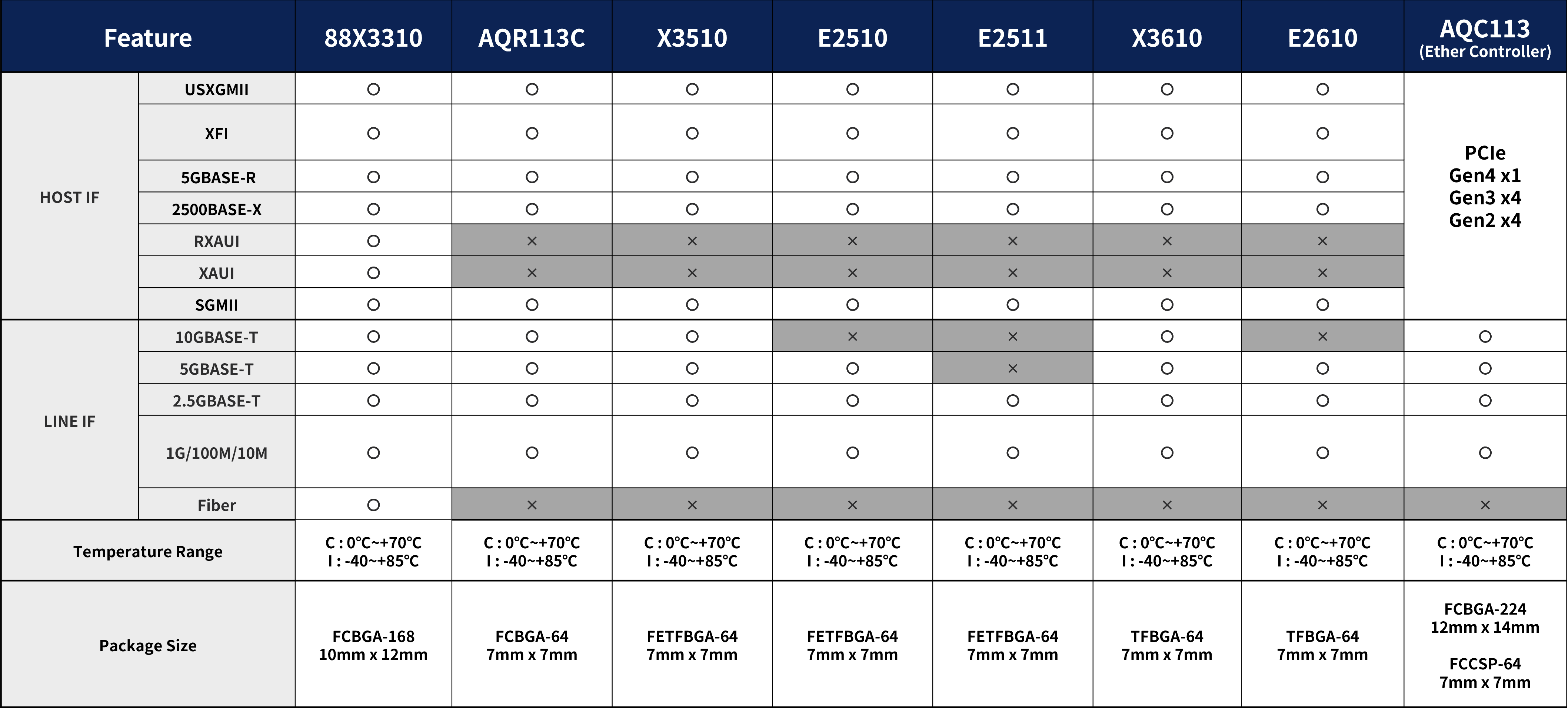
According to Macnica, X3510/X3610 support all speeds between 10M and 10G. The information on CUX3510 is very scarce, however based on these two sources and if you study the specs the only difference between the two is that CUX3610 supports hardware-offloaded MACsec, while CUX3510 doesn't. Some sources claim CUX3510 only rated at 80m cable length, so this may be a clue that it indeed manufactured on an older process node, but it's all speculation.
Marvell CUX3610 spec sheet : https://www.marvell.com/content/dam/marvell/en/public-collateral/transceivers/marvell-phys-transceivers-alaska-m-3610-product-brief.pdf
Regarding the supported link speeds, I believe all copper transceivers will always operate at 10G link speed, and lower transmission rates (10M/100M/1G/2.5G/5G) are achieved by signalling the sending partner to slow down (IEEE 802.3x MAC Flow Control (Pause Frames). This is to avoid dropping packets because the actual link speed is always 10G.
I tested transceivers based on CUX3510 and CUX3610 but they both came from different manufacturers and distribution channels. My tests show that 100m transceiver based on Marvell CUX3610 from Lulley (purchased from their online storefront) is running ~10C degrees cooler than the "ultra-low-power" transceiver based on Marvell CUX3510 from Nubasa (purchased on Amazon). The 30m rating of Nubasa should have been the red flag which I did ignore, so Nubasa went back, and CUX3610 based from Luleey are the ones I keep:
Here is the comparison of available Marvell 10G/MultiG Ethernet chipsets:
Marvell chipsets
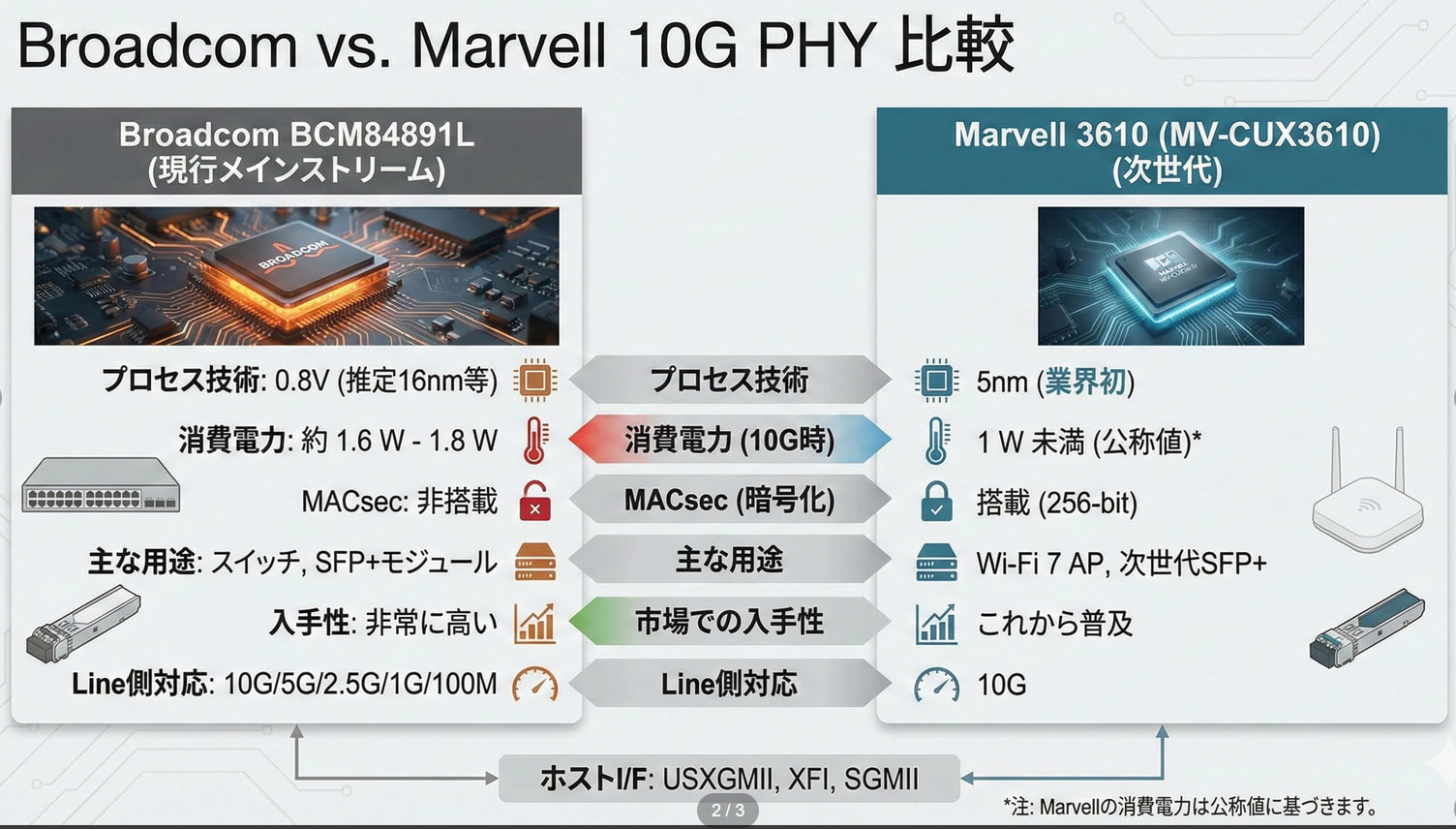
There are also 100m Broadcom BCM84891L transceivers https://www.broadcom.com/products/ethernet-connectivity/phy-and-poe/copper/10gbase-t-phy/bcm84891l that also suppose to be very low power, however I have not tested any. Many sources online list them slightly higher power consumption than CUX3610. There is also some unverified marketing materials like this one:
Broadcom vs Marvell
I would avoid any 10G transceiver that is only rated for 30 meters - these are the worst. Picking a transceiver rated for a 10G distance of 80 or 100m yields is a very good chance of it also being the coldest and have a lower power consumption.
Transceivers do not report what's inside so it is impossible to know the exact chipset without taking them apart - a label and the marketing materials are the only source of information available. Your experience in the real world will depend on the integrity of manufacturers who produced your transceiver, and integrity of their supply chain.
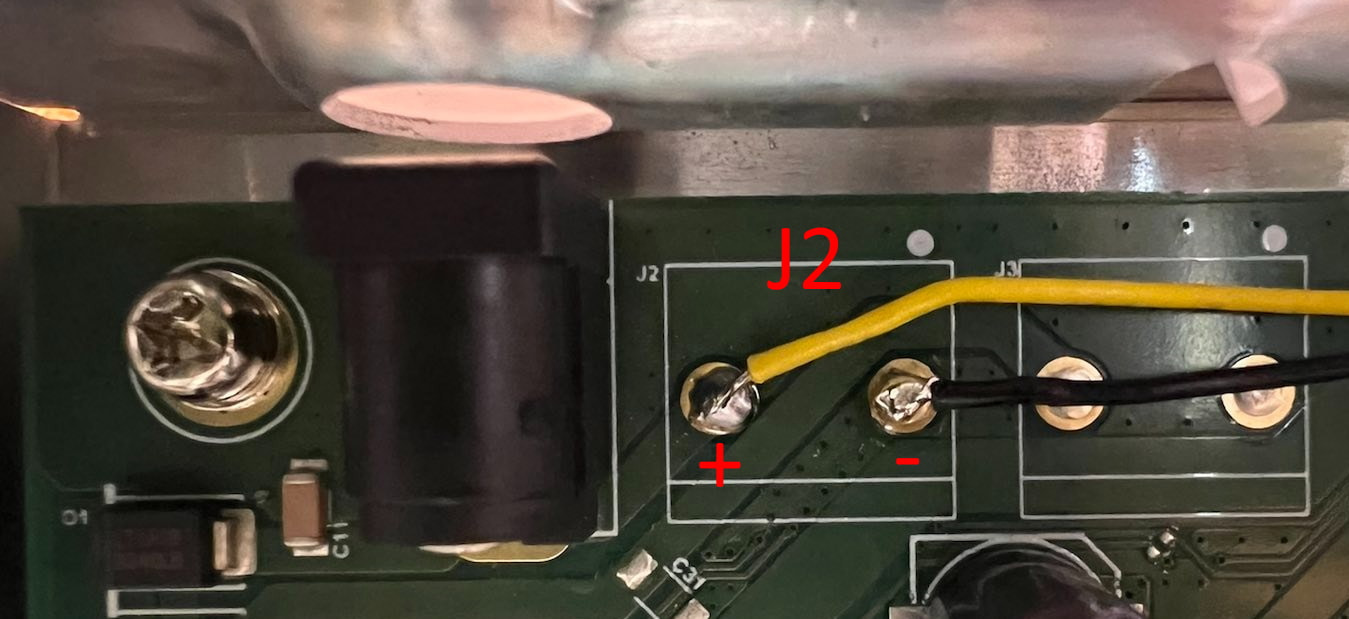
 I would gladly skip adding another fan on the rack if possible. Thanks!