even there it is mentioned: It is commonly deployed on MikroTik routers by the community as a container on RouterOS v7
And the link on the left for "AdGuard Home" points to the same link mentioned above.
That's precisely the problem: everyone assume what they want, what's convenient for them.
Where is it written that the list of "Integrators and Accessory Makers" is also the list of available apps?
It's just the list of "Integrators and Accessory Makers," that's it, there's nothing else to understand.
It's written clearly.
And by the way, the software they make is not certified,
but here it is clearly written that the "MikroTik Certified" ones are the "Integrators and Accessory Makers".
All the integrators, accessory makers, software developers, and others listed on the website are simply officially recognized participants in the MFM program.
The “Made For MikroTik” label doesn’t mean anything beyond that—it just indicates they’re registered members of the program and have official proof that a hardware or software product has been tested and authorized for use with MikroTik RouterOS and RouterBOARD.
In a general sense, this is often read by many as “Certified” solutions.
… especially when they see the inscription "MIKROTIK CERTIFIED" in caps on the page
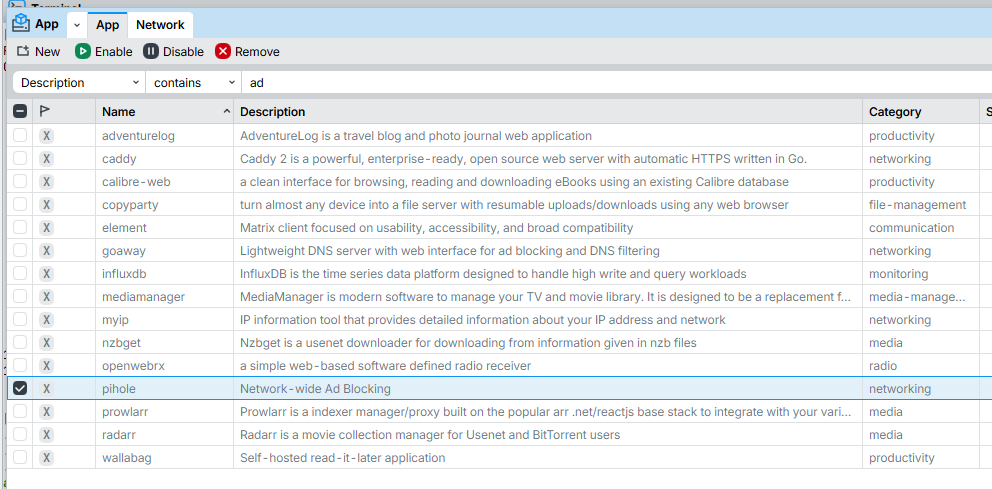
The issue the /app catalog is seemingly random. To me the /app catalog should be focused on network services. So for something like DNS, there indeed should be all the common choices from BIND9 to AdGuard. Instead, we have babybuddy, adventurelog, etc - application servers that have zero connection to MikroTik or networking. Not saying that per se these need to be removed, rather highlighting the "randomness" of the selection process.
OP raises a fair point, if a vendor went to the trouble of being listed on the website, there is no path for being built-in /app. While at the same time, MikroTik is added[/ing] "not made-for-mikrotik" things to /app catelog. This seem "unfair" to those who did "follow the rules" on the "MIKROTIK CERTIFIED" process to be similarly included. e.g. I'd imagine it be better for a vendor to be in the /app catalog than on the website, yet there is no process for that, and seemingly uncertified /app get listed before those that were "certified". This not makes no sense.
You are absolutely right, having fewer options is better than having too much choice
Yes, you are right, but if they are adding big new feature, it would be expected to colaborate with currently esablished vendors, thats kinnda industrial standrd
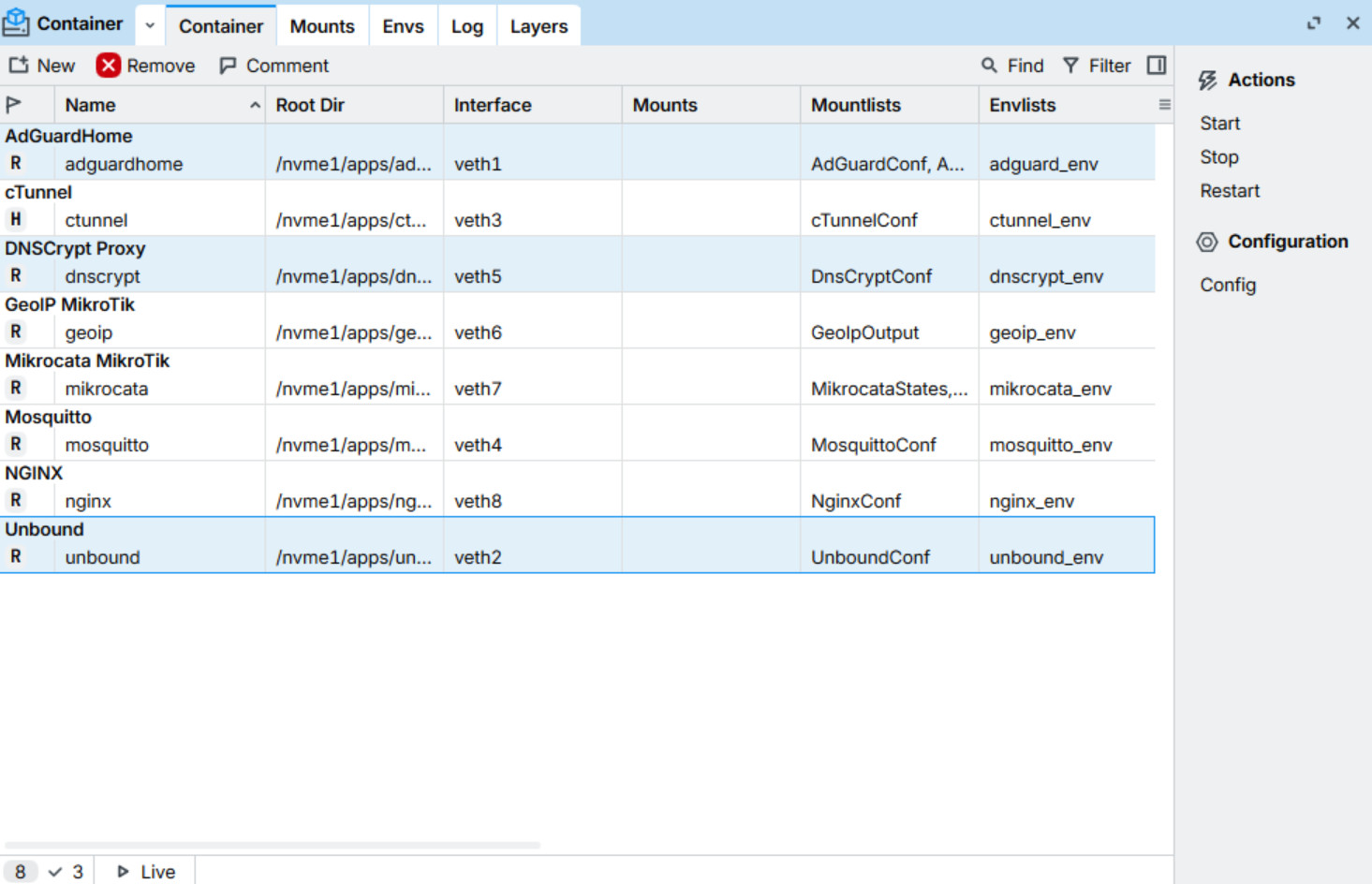
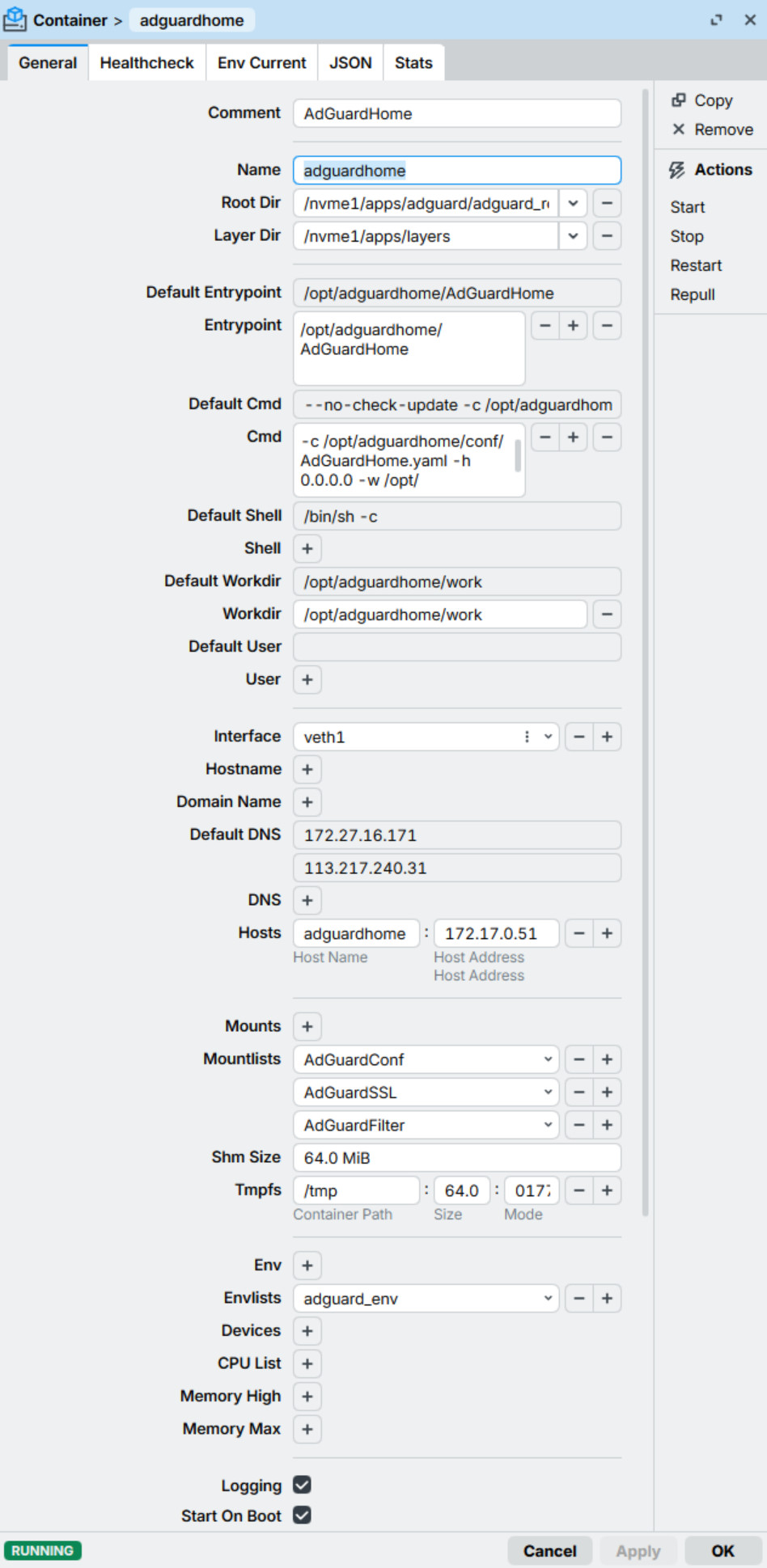
Yes, I’ve managed to make my own adguard app (wihout store yet) and overall process is quite harsh to make it work
I think it's self-explanatory. The program just allows usage of Mikrotik's logo and gives the place on their website/in their newsletter. Nothing else.
If you have designed an integrated antenna for RouterBOARD, a high speed industrial router powered by RouterOS or other product related to MikroTik, you can apply for the MFM program as an integrator, or accessory maker.
We will announce your featured products by newsletters and this special webpage. We will also provide you with special "Powered by MikroTik" labels to create more relation to the MikroTik brand.
To apply, send us the following:
Press quality image of one Featured product, preferably with no background
Link to webpage which shows products that are running RouterOS or are supporting RouterBOARD
Your product specs should include information about RouterOS or RouterBOARD compatibility
Thanks, yaml itself is easy, what i ment is that, /app is poorly documented, and it is more trial and error thatn straght forward configuration, e.g. documentation is not reflecing /app structure, managing dynamic veth is annoying when recreating apps, modyfying/updating app or if you stop app and reboot ros your custom app will dissapear from list, but container itself will stay, etc.
In general as much as I like contept of /app, current implementation is horrible and nowhere near production ready